

Empowering Children Through Academics
An Interview with Mr. Derek Pinchbeck, Head of School at ICHK Kindergarten and Primary .
Today, we had an absolute pleasure of talking with Mr Derek on early childhood education and ICHK school

Before we start our conversion, let me share little background of Derek Pinchbeck: He is the Head of School at ICHK Kindergarten and Primary School. He has been teaching since 1990 and leading schools since 2008. His career encompasses a range of schools in the UK, Dominican Republic, Papua New Guinea, Brunei, Italy, China, and Singapore. He has over 20 years of involvement with the IB Primary Years Programme (PYP) as a teacher, Head of School, and consultant. Since joining ICHK Kindergarten and Primary five years ago from his previous role as Kindergarten and Primary School Advisor at ESF, Mr. Pinchbeck has proudly led the school to win the prestigious International School of the Year Award in 2023 and has established it as the first Bilingual and Multilingual (BML) Smart School in Hong Kong, recognizing the quality of teaching for BML students within the school.
Priti (from International Desi): Could you please provide a brief bio that highlights your experiences at ICHK Kindergarten and Primary and the creative learning outcomes you’ve successfully achieved?
Mr. Pinchbeck: At ICHK Kindergarten and Primary Hong Lok Yuen, our mission is for all community members to thrive. This means we empower our children to:
– Be Great: Acquire the knowledge, skills, attitudes, and understandings needed to continually improve and grow cognitively, socially, emotionally, and physically.
– Do Great: Engage in actions that bring joy to themselves while enriching others’ lives. We encourage them to act authentically as responsible and informed global citizens, taking individual and collective action at personal, local, national, or global levels for a more peaceful, sustainable, and happier world. This instils a sense of responsibility for both the present and the future.
– Feel Great: Develop a positive sense of self and a feeling of belonging to a shared humanity, fostering values of empathy, solidarity, and respect for differences and diversity. This nurtures a lasting sense of fulfilment and satisfaction from living a meaningful and purposeful life.
Priti (from International Desi): How do you implement your mission?
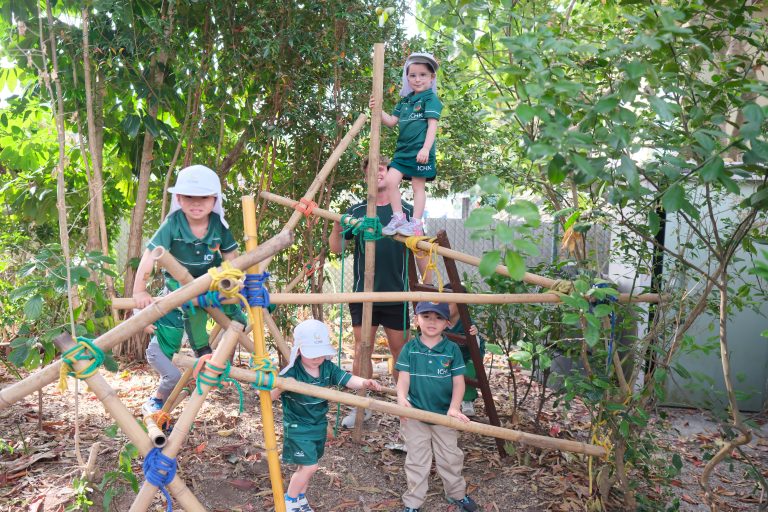
Mr. Pinchbeck: We have thoughtfully designed our early years learning space to facilitate seamless movement between indoor and outdoor environments. This encourages our children to grow up with a love for and engagement with nature. Every day, opportunities arise for children to plant, run, climb, and interact with the natural world. Additionally, our specially designed Kindergarten spaces, along with our highly qualified and experienced staff, ensure that all children receive the best possible start to their educational journey, which continues smoothly as they transition into Primary School.
Priti (from International Desi): How does the community perceive you?
Mr. Pinchbeck: We take pride in the fact that our school is frequently described as a “happy school.” Research indicates that children learn best when they are happy and engaged in the joy of learning and discovery. By ensuring that children thrive socially, emotionally, physically, and cognitively, we provide them with the best possible foundation for lifelong learning.
Priti (from International Desi): What unique offerings does your school provide that others in Hong Kong do not?
Mr. Pinchbeck: A key aspect of learning at ICHK Kindergarten and Primary is the opportunity for children to connect with nature. As Canadian broadcaster and environmentalist David Suzuki said, “Unless we are willing to encourage our children to reconnect with and appreciate the natural world, we can’t expect them to help protect and care for it.” We are proud that our commitment to sustainability earned us the prestigious International School of the Year Award in 2023.
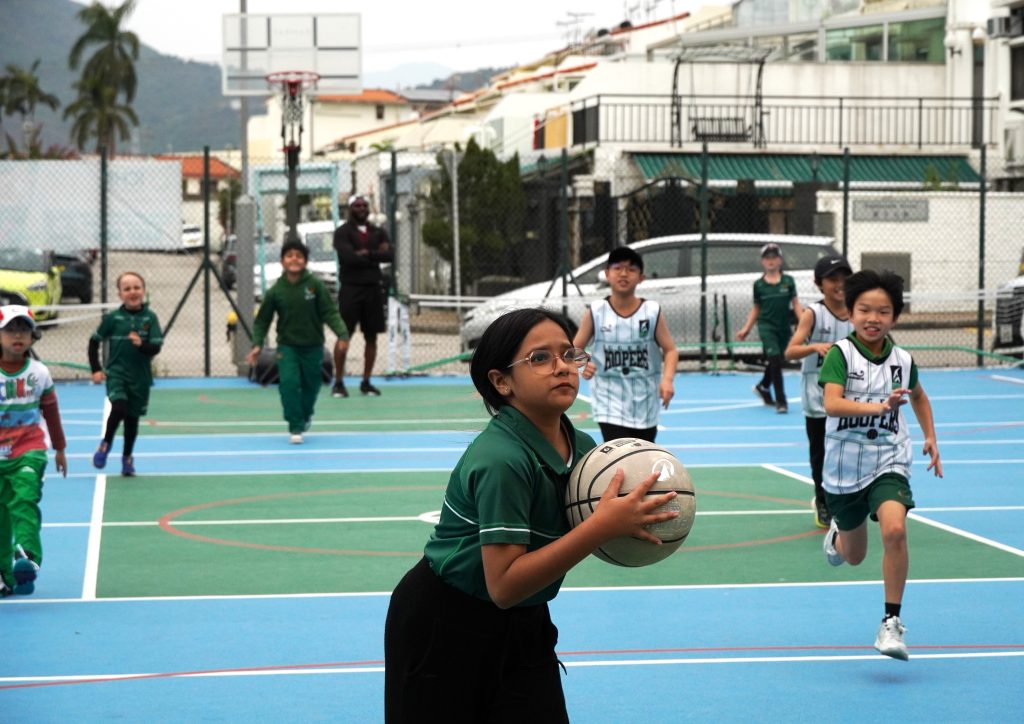
We embrace an innovative, educational approach to outdoor play in our beautiful environment. Our teachers leverage our grounds whenever possible to give students greater space and freedom. Outdoor learning is a cornerstone of our curriculum, drawing inspiration from play-based, Forest School, and holistic learning approaches.
In Kindergarten, students learn through daily outdoor play in our front and back gardens. This holistic approach helps children develop essential physical, social, and emotional skills in a hands-on environment. From an early age, students are encouraged to connect with nature, embrace getting muddy, and enjoy play in all weather conditions.
In Primary, students participate in lessons led by our Outdoor Learning team. These sessions utilize our outdoor learning facilities to provide unique educational experiences aligned with different curriculum areas. Activities such as shelter building, gardening, outdoor science, fire lighting, and woodworking are just a few of the valuable skills children acquire during their outdoor learning sessions. These activities are thoughtfully integrated with each year level’s units of inquiry, allowing students to make meaningful connections with their in-class learning.
Priti (from International Desi): That’s impressive.
Mr. Pinchbeck: Thank you! Another distinctive aspect of our outdoor learning program is the care of our mini forest. Established in 2021, this area behind the school field features over 350 local trees planted by students using the Miyawaki method, which enables forests to grow up to ten times faster than normal. By nurturing this forest, students learn about sustainable living and cultivate an attitude of care and concern for the environment.
If you want your child to thrive academically, socially, emotionally, and physically in a nurturing and supportive environment with regular engagement with nature, we invite you to book a tour of our unique award-winning school.
Priti (from International Desi): Wow, creating a mini forest… that is an extraordinary achievement.
Mr. Pinchbeck: Thank you! It reflects our commitment to teaching children about sustainable living.
Priti (from International Desi): Thank you for inspiring us and emphasizing the value of sustainability, along with the successful beginnings of life through your holistic learning approach.
Mr. Pinchbeck: The pleasure is all mine.
To know more about ICHK Kindergarten and Primary school admission process, please visit ICHK site
How can tourists apply for Thailand’s mandatory digital arrival card starting from May 2025?
The Thailand Digital Arrival Card is a streamlined immigration system designed to expedite processing, minimize paperwork, and enhance border security. Here’s who needs it and how to apply.
Thailand, renowned for its pristine beaches, captivating temples, delectable cuisine, and pleasant weather, has introduced the Digital Arrival Card to create a more seamless and efficient experience for visitors. Starting May 1, 2025, all non-Thai nationals entering Thailand by air, land, or sea must complete the Thailand Digital Arrival Card (TDAC) online before arrival.
What is the Thailand Digital Arrival Card?
The Thailand Digital Arrival Card is the electronic counterpart of the traditional disembarkation card that foreign visitors fill out upon arrival in Thailand. Serving as an official record of the traveler’s entry, it provides crucial information to immigration authorities.
Why is Thailand adopting digital arrival cards?
The digital arrival card promises faster immigration processing, reduced paperwork, and improved border security. This new system aims to modernize Thailand’s immigration process and align it with global trends in smart travel technology.
According to the official Tourism Thailand website, visitors must register within three days before their arrival.
How to register for the Thailand Digital Arrival Card:
Here’s a step-by-step guide on how to apply and receive your digital arrival card:
1. Log in to the portal.
Registration can be done through https://tdac.immigration.go.th.
2. Complete the registration form.
Key details required include personal information (full name, nationality, phone number, email address, and passport details) and trip information (flight number, purpose of travel, and address in Thailand, such as a hotel or residential address).
3. Submit the form.
After completing the form online, you will receive an acknowledgment email at the address provided during submission.
4. Present your acknowledgment email and travel documents to the immigration officer upon arrival at the immigration counter for verification.
Looking for the best places to visit in Thailand?
Step by Step Process of Buying a Car in Hong Kong
BUYING A CAR IN HONG KONG
Owning a vehicle is not a priority in Hong Kong. The city is well-connected and small, making car ownership an unnec- essary luxury. Hong Kong has an environ- ment-friendly, economical, and efficient public transport system. Therefore, it is easy to get by without owning a car. How- ever, purchasing a car appears attractive when an individual decides to live away from the city or as families grow. Some precautions need to be taken before deciding on buying a car.
Followings are some of the conditions before buying the car
a. You have to be a resident to purchase a new or used car in Hong Kong
b. You need a local driving license and Hong Kong identity card
c. You need to take an extra precaution while checking the mileage and history of vehicles
d. Conduct search on the internet about the car mileage, condition, age, and model before initiating the purchase process
e. Ask for a drive-in showroom or garage to check and test drive the vehicle to ensure it is in good condition
f. Pay for a trusted mechanic or get one from the Hong Kong Automobile Association, who does the following:
i. Organize road test
ii. Check suspension, brakes, tires, and wheels
iii. Inspects steering system, transmission, and air conditioning
iv. Checks the cooling system, fuel system, and engine ignition
v. Inspects electrical equipment, and the structure and body of the car HONG KONG AUTOMOBILE ASSOCIATION IS ACCESSED AT
Tel: (852) 3583-3615/3469
Practical steps when purchasing a car
1. Decide on affordability
Consider whether you have enough finances, especially when intending to take out a loan.
2. Select the car of your choice A proper car needs to be fuel efficient and in good condition, particularly for second-hand vehicles
3. Source for funds to purchase the car
There are two options: The first is to get a loan through in-house financing. The second option is to get a loan from a bank, which can either be a secured vehicle loan or personal loan. It is good to read and understand the terms and conditions.
4. Obtain insurance coverage
It is mandatory to have insurance before driving off. Hong Kong requires all mo- tor vehicles to have insurance covers for third-party risks. Select insurance that satisfies your driving style.
For further details, explore the insurance at the following link
How to Obtain Driver’s licenses in Hong Kong?
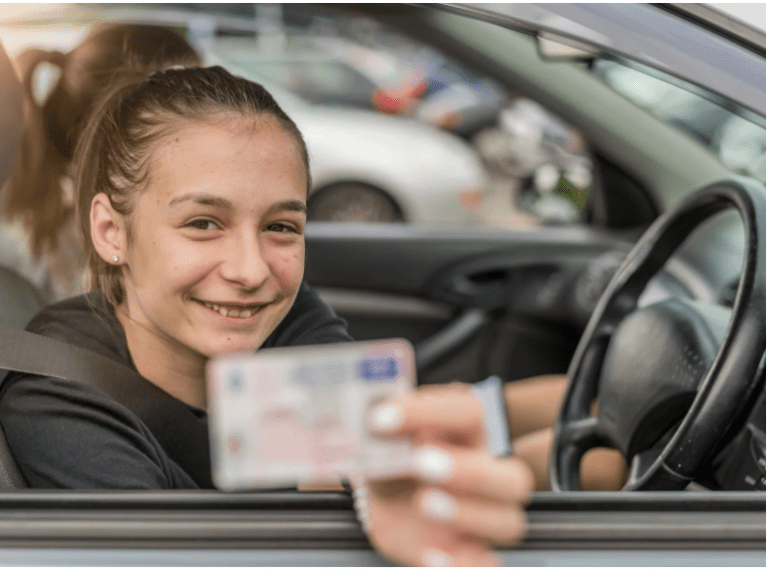
Buckle up, folks! A driving license is your golden ticket to hit the road, and the full version is good for a decade—unless you’re nearing the big 7-0. Over in Hong Kong, this magical card is a bit of a minimalist. It doesn’t bother with a mugshot, just a peek at your issue date, what you can drive, your ID number, and your name, all paired with your ID card.
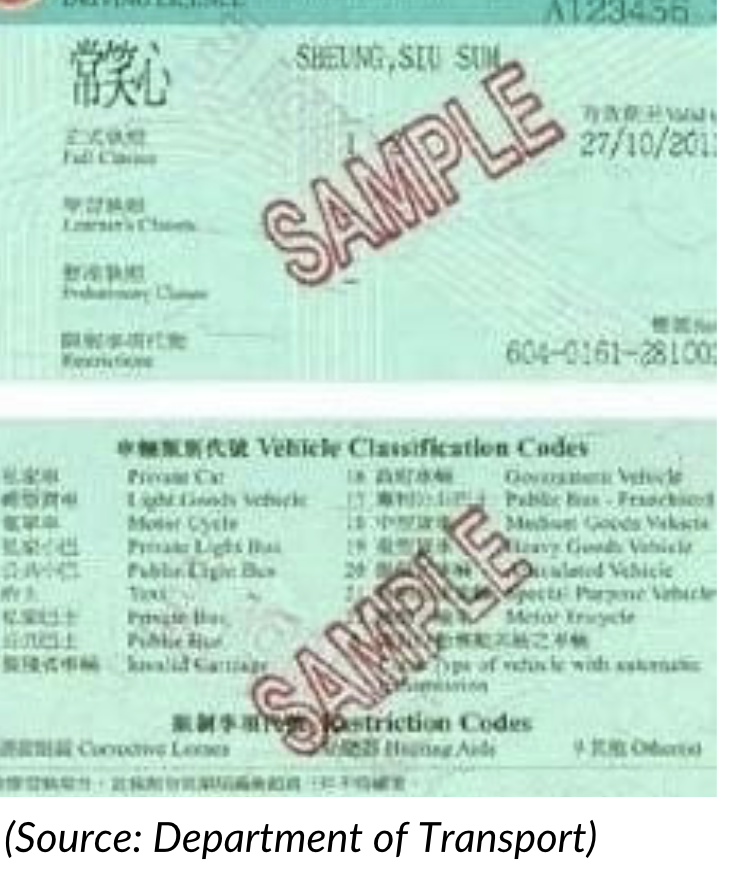
i. Full license
A driver applies for this license after completing the probation period. It is valid for ten years lest you approach seventy-years old. A driver applies for the license, after passing a driving test, to be allowed to drive commercial vehicles.
PROCEDURE TO APPLY FOR A DRIVING LICENSE
Relocation to a new country also entails securing important documents including a driving license that can also double up as an ID proof to access local services and other facilities. It is important to know the procedures and rules involved in obtaining driving license in Tokyo or Hong Kong.
a. Complete all the necessary application forms that could be obtained from the Internet. The forms are also available in Licensing Offices and available Post Office, Public Enquiry Service Centres, Department of Home Affairs, and the Department of Transport.
b. Forward the completed forms along with other supporting documents by post or in person to licensing offices, after paying the required fee.
The licensing services in Hong Kong can be accessed at this link: https://www.td.gov.hk/en/public_services/licences_and_permits/driving_licences/index.html
Tel: (852) 2804 2600
Hong Kong attracts lots of people for tourism and professional purposes and many also relocate. For them an established government ID proof like Driving License will be useful for a hassle free life style.
OPTIONS FOR INDIANS TO OBTAIN DRIVING LICENSE
Get an International Driving License
An Indian citizen who wants to drive a car or motorbike in a foreign country must obtain an International driving license or International Driving Permit from the local RTO office.
An international driver’s license will come in handy for an Indian to rent vehicles or drive in foreign lands, like Japan and Hong Kong, during their visit.
International Driving License means a translated copy of the original driver’s Licence issued by the State licensing authority in India. All Indian states issue International Driving License via the local RTO office or Motor Vehicle Department.
HONG KONG DRIVING LICENSE AND PROCEDURES
In Hong Kong, the procedures are unique for new Driving Permits or converting a Driving Permit into the Hong Kong pattern.
Visitors not planning to stay in Hong Kong for more than one year are allowed to drive using foreign driving licenses. If the stay exceeds that period, they must exchange their overseas driving licence for a Hong Kong version provided the licence has been issued by one of the approved countries.
In case the driving licence is not from an approved country, a temporary driving licence will be issued, until the Hong Kong driving test is cleared.
Citizens holding valid (not expired and obtained after passing the test at issuing place) overseas driving licenses in Hong Kong can apply for a full-fledged Hong Kong driving license without the driving test if the driving license was issued by an approved country.
For issuing a Hong Kong driving licence of the same class/category as the existing licence, an applicant must satisfy one of the following conditions:
• The applicant must have lived at least six months in the place where the licence was issued.
• He must possess the licence for at least five years before applying for the exchange.
• He must possess passport of the country where the licence was issued
If the above requirements are not met, a test will be compulsory. The Transport Department has all the information and the licence exchange application form (TD63A) can be downloaded.
The following documents are required:
• The original and photocopy of the overseas driving licence with a certi- fied translation if the language is other than English or Chinese.
• Hong Kong Identity Card and any other documentary proof of compliance with the above criteria
• Applicants above the age of 70 must have a medical certificate under form TD256
• Address proof issued in the last three months
• Required fee as specified
• Passport
• All supporting documents both in original and photocopy.
Temporary Driving Licences
• A temporary driving license will be is- sued if the applicant’s overseas driving license was issued by a country not on the approved list.
• A temporary driving license will be valid for 12 months before taking a driving test.
When to apply for Driving Test in Hong Kong
For the Hong Kong driving test, the appli- cation should be submitted within three months from the date of arrival in Hong Kong. If the applicant fails in any part of the driving test, the temporary license will be withdrawn and no fresh license will be issued.
NORMS FOR TEMPORARY DRIVING LICENSE IN HONG KONG
To receive a temporary licence, one of these re- quirements are compulsory:
• Must have lived for at least six months in the place where the license was issued.
• Or, there was a license for at least five years before applying for the temporary license
• Or, a passport of the country where the license was issued
• The Transport Department website has the temporary license application form (TD181) available for download.
Documents for a temporary license
• The application should be submitted in person to the Hong Kong Licensing Office with the following documents:
• Original passport
• Overseas driving license and an officially certified translation if the language is other than English or Chinese
• Hong Kong Identity Card
• Proof of address issued within the last three months
• Any other documentary proof of compliance with the above criteria
• A medical certificate for those applicants aged 70 or above
• Those not satisfying the above criteria will have to take a driving test in Hong Kong.
Even though the procedures may appear hard and time-consuming, it is ideal to follow the guidelines while applying for fresh driving permits or converting to the format of the country into where you have moved.
Kids Activities Classes in Hong Kong
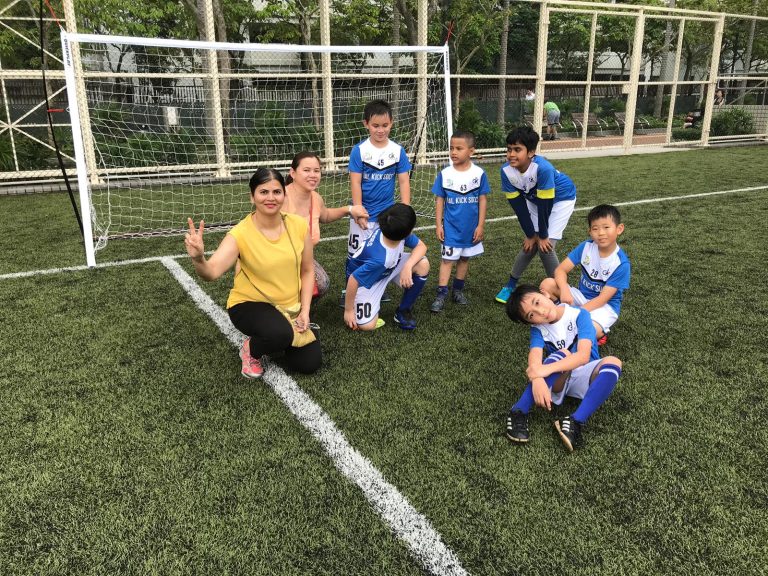
Hong Kong is a lively global city where residents are constantly engaged in work or various activities. People from around the world contribute their diverse cultures, skills, and creativity, which are evident in the wide range of classes and extracurricular activities available for everyone, from toddlers to those in their nineties. These offerings include art, dance, and music classes, cultural events, brain teasers, sports, martial arts, cooking and baking sessions, exhibitions, fashion activities, and more.
Faust International Youth Theatre: A standout for drama and performing arts, Faust has been sparking creativity since 1999. Kids aged 4 to 19 can dive into drama and musical theatre programs start in September. They are meant for building confidence and social skills in a fun, supportive setting. They offer free trial workshops (e.g., August 31 or September 7 at their Sheung Wan studio). Additionally, they offer discounts like 10% off for three terms or siblings make it accessible. It’s a top pick for kids who love the stage.
ESF Sports: Run by the English Schools Foundation, this program offers multi-sport activities like soccer, basketball, and swimming for kids aged 2 to 11. With professional coaches and a focus on teamwork and fitness, it’s ideal for active kids. Sessions run across various locations (e.g., Kowloon, Hong Kong Island), and the structured yet fun approach ensures skill-building alongside enjoyment.
CreativeKids: For budding artists aged 1.5 to 18, this award-winning studio has been a staple for 35 years. Offering classes in art, design, and architecture, it fosters creativity and character through a dynamic curriculum. With locations across Hong Kong, it’s a go-to for parents wanting a blend of artistic exploration and personal growth.
Hong Kong International Tennis Academy (HKTA): Perfect for kids who love racket sports, HKTA provides a nurturing environment for long-term tennis development. Based in San Po Kong, it’s recognized by the Asian and International Tennis Federations, offering expert coaching for all levels. It’s a solid choice for building discipline and physical skills.
Colour My World: This creative hub offers workshops for tweens and teens in fine art, performance art, digital art, and even architecture basics. With a focus on hands-on learning, it’s great for kids who want to explore diverse artistic outlets beyond traditional school settings.
Babel Film Workshop: A unique option for tech-savvy kids, this program teaches vlogging skills—planning, filming, and editing—culminating in a personal lifestyle vlog. Limited to eight students per class, it’s an intimate, expert-led experience with a premiere for parents, blending creativity with digital literacy.
Harry Wright Swim School: Since 1975, this aquatic leader has offered tailored swimming programs for all ages, from infants to competitive swimmers. With certified coaches and lessons at various clubs and schools, it’s excellent for water confidence and fitness, rain or shine.
Island Dance: With locations across Hong Kong, this dance school covers styles like ballet, jazz, hip-hop, and K-pop. It’s a lively way for kids to stay active, express themselves, and maybe even compete locally or internationally.
PSG Academy Hong Kong: For football enthusiasts, this academy brings Paris Saint-Germain’s world-class training to kids. Expert coaches focus on technical and tactical skills, making it a dream for aspiring players wanting a professional edge.
Curiosity Kids: Targeting ages 3 to 11, this science-focused program offers hands-on experiments to ignite a love for discovery. With locations across Hong Kong, it’s perfect for young minds eager to explore STEM in a playful, engaging way.
These options shine for their quality, variety, and ability to cater to different passions—whether your kid’s into sports, arts, or something niche like vlogging.
List of Leading Kindergarten in Hong Kong
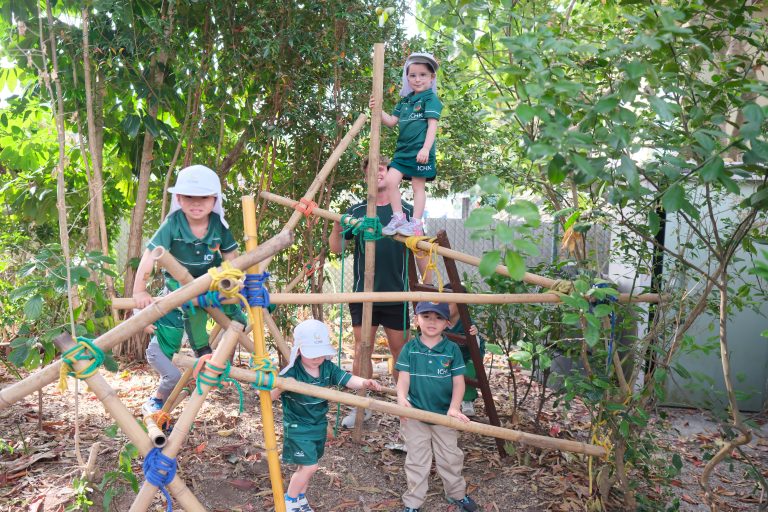
Nurturing children’s development is essential for their future success. By fostering positive traits like empathy, resilience, and curiosity from a young age, we can lay the groundwork for them to become well-rounded individuals. Encouraging open communication, providing a supportive environment, and modeling good behavior are key components of this foundation. We need to guide children to explore their interests and develop their unique identities. Children with a strong personality foundation are better equipped to face challenges, build meaningful relationships, and contribute positively to their communities.
English Schools Foundation (ESF) Kindergartens offer a nurturing environment for children’s growth. With five locations (Abacus, Hillside, Tsing Yi, Wu Kai Sha, and Tung Chung), ESF kindergartens are renowned for their International Baccalaureate (IB) Primary Years Programme (PYP). They emphasize inquiry-based learning, fostering early literacy, numeracy, and a love for discovery. The bilingual English-Mandarin option at some campuses adds an extra layer of enrichment, and students have priority admission to ESF primary schools, ensuring a seamless transition.
ICHK Hong Lok Yuen Kindergarten & Primary was founded in 1983 by a group of parents and has retained the same community ethos for over 40 years. ICHK Hong Lok Yuen is a Kindergarten and Primary school, Kindergarten students automatically move into the Primary section. When moving to secondary school, ICHK HLY students have priority places at ICHK Secondary School. ICHKHLY’s outdoor spaces are truly unique in Hong Kong, giving students the opportunity to engage with nature on a daily basis. The school has a holistic approach to children’s growth which engenders confidence and wellbeing in students in parallel with academic success.
Victoria Educational Organisation (VEO): VEO has campuses all over Hong Kong and is a leader in bilingual education (English and Mandarin). It uses a play-based, child-centered approach. It was started in 1965 and emphasizes holistic development—cognitive, social, and emotional—making it a favorite for parents who want a nurturing yet structured environment.
The International Montessori School (IMS): IMS is known for its Montessori method. IMS offers a dual-language (English and Putonghua) program at its campuses (Mid-Levels, Sai Wan Ho, and South Horizons). It’s perfect for parents who value independence, creativity, and hands-on learning, with a focus on personalized growth for kids aged 2 to 6.
Mulberry House International Kindergarten: Nestled in Tai Po and South-side, this kindergarten combines the Reggio Emilia approach with the UK’s Early Years Foundation Stage (EYFS). It’s renowned for its inquiry-based learning, bilingual streams (English and Mandarin), and modern facilities like indoor playgrounds and outdoor gardens that encourage curiosity.
Nord Anglia International School Hong Kong (NAIS): Located at its Sai Kung Early Years campus, NAIS offers a personalized, play-based curriculum with specialist teachers in music, art, and Mandarin. Its global network and collaborations (e.g., with MIT and Juilliard) set it apart, making it an ideal choice for families seeking a premium international experience.
Dos and Don’ts when Traveling to Hong Kong
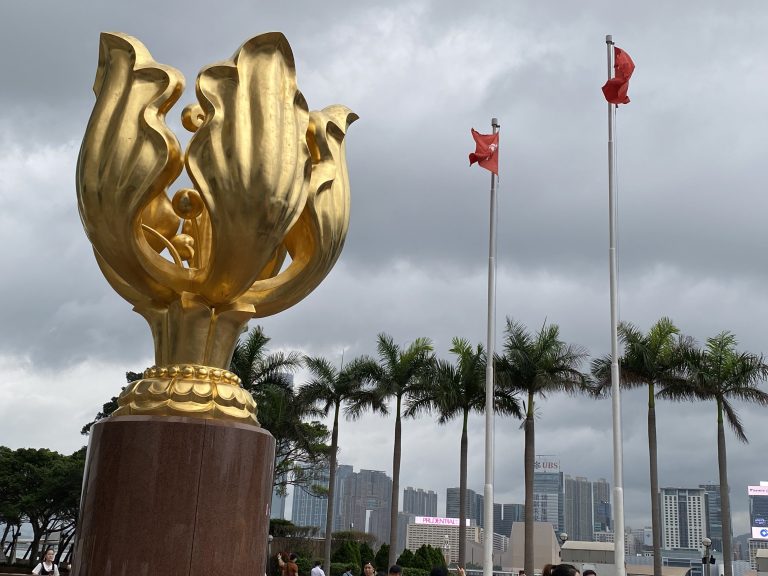
Traveling to Hong Kong can be an exciting experience, blending vibrant city life, rich culture, and stunning landscapes. Here’s a list of dos and don’ts to help you navigate your trip smoothly and respectfully:
Dos
- Do Carry Cash: While digital payments like mobile apps and credit cards are widely accepted, small vendors, local markets, and some public transport options (e.g., buses) often require cash. HKD (Hong Kong Dollar) in small denominations is handy.
- Do Use Public Transport: Hong Kong’s MTR (subway), buses, trams, and ferries are efficient, affordable, and well-connected. Get an Octopus Card for seamless travel across these systems.
- Do Respect Local Customs: Politeness goes a long way. Greet people with a nod or a smile, and if eating with locals, wait for the host to start before digging in.
- Do Try Local Food: From dim sum and wonton noodles to street food like egg tarts and fish balls, Hong Kong’s culinary scene is a must-experience. Visit dai pai dongs (open-air food stalls) for an authentic taste.
- Do Dress for the Weather: Hong Kong is humid and hot in summer (May–September) and cooler in winter (December–February). Check the forecast and pack accordingly—light layers and an umbrella are often useful.
- Do Learn Basic Phrases: English is widely spoken, but knowing a few Cantonese words like “m̀h gōi” (thank you) or “néih hóu” (hello) shows respect and can enhance your experience.
- Do Explore Beyond the City: Take a day trip to Lantau Island (Big Buddha), Sai Kung’s beaches, or the outlying islands for a mix of nature and culture.
- Do Keep Your Belongings Secure: Hong Kong is generally safe, but like any busy city, pickpocketing can happen in crowded areas like Mong Kok or Causeway Bay.
Don’ts
- Don’t Tip Excessively: Tipping isn’t customary in Hong Kong. Restaurants often include a 10% service charge, and taxi drivers don’t expect tips—round up the fare if you want to show appreciation.
- Don’t Be Loud or Disruptive: Hong Kongers value order and quiet in public spaces. Avoid shouting, playing loud music, or causing a scene, especially on public transport.
- Don’t Queue-Jump: Line etiquette is taken seriously, whether at the MTR, bus stops, or food stalls. Cutting in line will earn you disapproving looks.
- Don’t Smoke in Public Areas: Smoking is banned in most indoor public places, parks, and beaches. Look for designated smoking areas to avoid fines.
- Don’t Litter: Hong Kong is clean, and littering can result in hefty fines (up to HKD 1,500). Use bins or hold onto trash until you find one.
- Don’t Expect Everyone to Speak English: While many do, especially in tourist areas, some locals (especially older vendors) may not. Be patient and use gestures or translation apps if needed.
- Don’t Ignore Weather Warnings: Typhoons and heavy rain can hit, especially in summer. If a Typhoon Signal 8 or higher is issued, stay indoors—businesses may close, and transport could halt.
- Don’t Discuss Sensitive Politics Casually: Topics like Hong Kong’s political status or protests can be touchy. Avoid bringing them up unless you know your audience well.
Enjoy your trip! Let me know if you want more specific advice, like neighborhood recommendations or food spots.
Marriage and Divorce in Hong Kong

Process and Paperwork Needed to register marriage and file divorce in Hong Kong
Hong Kong’s marriage and divorce laws are governed by the Marriage Ordinance (Chapter 181) and the Matrimonial Causes Ordinance (Chapter 179), respectively. Here are some key points regarding these laws:
Marriage Registration process in Hong Kong
In Hong Kong, marriage can be conducted either by civil ceremony or by religious rites. The minimum age for marriage is 16, but parental consent is required for individuals under 21 years old.
Marriage Registration: Couples must register their marriage with the Hong Kong Marriage Registry within three months of their wedding ceremony.
Here is a step-by-step guide (based on information) to the marriage registration process in Hong Kong.
- Obtain the Notice of Intended Marriage (Form MR21): The couple must first obtain the Notice of Intended Marriage form (Form MR21) from the Marriage Registration and Records Office (MRRO), which is part of the Immigration Department in Hong Kong. The form can be obtained online or in person at the MRRO.
- Complete the Notice of Intended Marriage form: Both parties must complete the Notice of Intended Marriage form (Form MR21)
individually. The form requires personal details such as names,
3.addresses, occupations, and passport or Hong Kong Identity Card information.
4.Gather supporting documents. Along with the completed Notice of Intended Marriage form MR21B (name and surname, marital condition (i.e., whether you are a bachelor/spinster; widower/widow; a divorced person; or previously married by any form of marriage), occupation, age, residential address, the full name of your parents, and, in the case of either party being under the age of 21, the name, address, and capacity of the person consenting to the marriage (i.e., the relevant person or persons specified in the Third Schedule to the Marriage Ordinance), the couple needs to gather supporting documents,.
DOCUMENT REQUIREMENT for REGISTERING MARRIAGE IN HONG KONG
Identity proof: originals and photocopies of passports or Hong Kong Identity Cards of both parties
For Foreigners: Passport and entry visa, for foreigners or travellers
Proof of marital status: originals and photocopies of documents proving the termination of any previous marriages, such as divorce certificates or death certificates of former spouses.
Photographs: Recent passport-sized photographs of both parties
Step by Step process of MARRIAGE REGISTRATION IN HONG KONG
- Submit the Notice of Intended Marriage: The couple needs to submit the completed Notice of Intended Marriage form and supporting documents in person at the MRRO. The processing time for giving Notice of Intended Marriage at the counter in a marriage registry is around 30 minutes. It may take longer for some complicated cases.
- The office is located at 3/F, Low Block, Queensway Government Offices, 66 Queensway, Hong Kong.
- Pay the fee: There is a HKD 305, a fee associated with the marriage registration process. The fee can be paid at the MRRO office during the submission of the Notice of Intended Marriage. Payment can be made by cash, EPS, Octopus, FPS, crossed check, or cashier’s order in Hong Kong dollars payable to “The Government of the Hong Kong Special Administrative Region”. Post-dated checks will not be accepted.
- Choose a marriage registry and appointment: Once the Notice of Intended Marriage is accepted, the couple can choose a marriage registry and schedule an appointment for the marriage ceremony. The marriage ceremony can take place at any of the marriage registries in Hong Kong.
- Attend the marriage ceremony: On the scheduled date and time, both parties need to appear in person at the chosen marriage registry with two witnesses present. The marriage registry officer will conduct the marriage ceremony, and the couple will exchange vows and sign the marriage register.
- Obtain the marriage certificate: After the marriage ceremony, the marriage registry officer will issue the marriage certificate. The couple can collect the marriage certificate in person or request that it be mailed to them.
- Please refer to the official website for
the latest updates, if any.
Divorce in Hong Kong is based on the “irretrievable breakdown” of the marriage. There are several grounds for divorce, including adultery, unreasonable behavior, desertion for at least two years, separation for at least one year with consent, or separation for at least two years without consent.
DIVORCE PROCESS in HONG KONG:
The divorce process in Hong Kong typically involves filing a petition for divorce with the court. If both parties agree to divorce, it can be a relatively straightforward process. However, if there are disputes, the court may need to intervene and make decisions regarding child custody, financial matters, and property division.
It’s important to note that laws can change over time, so it’s advisable to consult updated and official sources or seek professional legal advice for the most accurate and current information on marriage and divorce laws in Hong Kong.
The process of obtaining a divorce in Hong Kong typically involves several steps. Here is a step-by-step guide based on the information available:
Consultation with a Family Lawyer: Before initiating the divorce process, it’s advisable to consult with a family lawyer who specializes in divorce cases. They can provide guidance and advice tailored to your specific situation.
GROUNDS FOR DIVORCE:
In Hong Kong, divorce is based on the “irretrievable breakdown” of the marriage. There are several grounds for divorce:
- Adultery: One party has committed adultery, and the other party finds it intolerable to live with them.
- Unreasonable behavior: The other party has behaved in such a way that the petitioner cannot reasonably be expected to live with them.Desertion: The other party has deserted the petitioner for a continuous period of at least two years immediately preceding the divorce petition.
- Separation: The parties have lived apart for a continuous period of at least one year, and both parties consent to the divorce.
- Separation without consent: The parties have lived apart for a continuous period of at least two years immediately preceding the divorce petition.
- Filing the Divorce Petition: Once you have identified the grounds for divorce, your lawyer will help you prepare and file the divorce petition at the Family Court. The petition should include details about the marriage, grounds for divorce, and any claims regarding children, assets, or financial matters.
- Service of Divorce Petition: The filed divorce petition must be served on the other party (respondent) by an authorized process server or through a solicitor. The respondent then has a specified period to respond to the petition.
- Response and Ancillary Matters: The respondent can choose to contest the divorce or agree with its terms. If the divorce is contested, the court may hold hearings to resolve disputes related to children, assets, and finances. This stage involves negotiations, mediation, and, if necessary, court proceedings to reach a settlement.
- Decree Nisi: If the court is satisfied with the grounds for divorce and the settlement of ancillary matters (if applicable), it will grant a Decree Nisi. This is a provisional decree of divorce, indicating that the court intends to grant the divorce unless valid reasons for not doing so are presented.
- Decree Absolute: After a certain waiting period (usually six weeks), the petitioner can apply for the Decree Absolute, which is the final decree of divorce. Once the Decree Absolute is granted, the marriage is legally dissolved, and both parties are free to remarry.
It’s important to note that the divorce process can vary depending on the complexity of the case and any specific circumstances involved. Consulting with a family lawyer is crucial to understanding the details and requirements specific to your situation. Also, laws can change over time, so it’s advisable to consult updated and official sources or seek professional legal advice for the most accurate and current information on the divorce process in Hong Kong.
USEFUL REFERENCE:
For Registration of Marriage or Filing
Registration Office to file a Notice of Marriage.
The Marriage Registration Office :
3/F, Queensway Government Offices,
Low Block, Hong Kong
(MTR Admiralty Station – Exit C1)
Tel: (852) 2867-2787
Monday-Friday : 8:45 am to 4:45 pm
Saturdays : 9 am to 11:30 am
Closed on Sundays and General Holidays
General Enquiries
Hotline : (852) 2824 6111
Fax : (852) 2877 7711
Email : enquiry@immd.gov.hk
An appointment booking: (www.gov.hk/marriagebooking) or
by telephone (852) 3102 3883
(You should make the appointment within
14 days before the 3-month period from the date of marriage.)
https://www.lcsd.gov.hk/en/hkch/facilities/otherfacilities/marriageregistry.html
Registration of marriage at immigration https://www.immd.gov.hk/eng/marriage/Registration_of_a_Marriage.html
https://www.immd.gov.hk/eng/marriage/Registration_of_a_Marriage.html#a&lastTab
How to Obtain Power of Attorney (POA) in Indian Consulate or in Indian Embassy?

To acquire a Power of Attorney (PoA) via an Indian Consulate or Embassy, the procedure may differ slightly based on your location, nationality, and the particular requirements of the consulate or embassy you are engaging with. Here is a general step-by-step guide reflecting common practices at Indian diplomatic missions globally, as of February 22, 2025. Since procedures can vary, it is advisable to visit the specific website of the Indian Consulate or Embassy in your region for the latest information.
We have mentioned the step by step guide required in Indian Embassy in Tokyo, Japan and Indian Consulate in Hong Kong.
General Requirements for obtaining Power of Attorney (PoA) through Indian Embassy or Indian consulates.
Identify the Type of Power of Attorney
Decide if you need a General Power of Attorney (providing broad authority for various tasks) or a Specific Power of Attorney (limited to a particular function, such as property transactions). This choice will influence how the document is created and, in some cases, whether it needs to be registered in India later.
Create the Power of Attorney
Draft the PoA on plain paper unless the consulate specifies otherwise. While some consulates accept plain paper, others might require Indian stamp paper (though this is uncommon outside of India, as consulates usually do not provide it).
Clearly include your name, the agent’s name, the powers being granted, along with any terms or conditions. It’s advisable to seek legal assistance to ensure it adheres to Indian law, especially for property or financial issues.
Refrain from signing the document unless the consulate instructs you to do so (some require signatures to be done in their presence).
Collect Necessary Documents
Valid Passport: Provide the original along with photocopies of the first and last pages (for Indian nationals). Ensure your signature on the PoA matches that of your passport.
Proof of Address in your resident country: Include a utility bill, driver’s license, or lease agreement (original or notarized copy if submitting via mail).
Visa/Resident Status: Non-Indian nationals or NRIs may need to submit a copy of their visa, OCI/PIO card, or proof of residency.
Photographs: Typically, two passport-sized photos (usually 35mm x 45mm) are needed to attach to the PoA or application form. Please note that this requirements may vary by consulate.
Witness Information: You may need the names and signatures of two witnesses. Some consulates require witnesses to be present with their ID (e.g., passport or resident card)and sign in front of consular officer. Alternatively, have their (witnesses) signatures notarized by a local notary public if they cannot attend.
Please check with the consulate if they mandate the presence of witnesses for signature.
Miscellaneous Application Form: Download and complete the form from the consulate’s website (e.g., “Miscellaneous Services Form”).
Notarization (If Necessary)
If submitting by mail or if the consulate allows pre-signed documents, have the PoA notarized by a local notary public beforehand. Indian nationals may not require this if signing in person at the consulate, but non-Indian nationals often need it apostilled.
Witnesses who cannot attend must have their signatures notarized separately.
Apostille (For Non-Indian Nationals, If Required)
If you are not an Indian citizen and do not possess an OCI/PIO card, the notarized PoA may require an apostille from your country’s authorities (e.g., office of Secretary of State in the US) before consulate attestation. India is part of the Hague Convention, making apostilles valid, but some Indian authorities still prefer consular attestation.
Indian nationals and OCI/PIO cardholders typically do not need to complete this step.
Submit to the Indian Consulate or Embassy
In Person: Schedule an appointment if necessary (check the consulate’s website). Bring all documents, sign the PoA in front of a consular officer if instructed, and pay the associated fee. Witnesses may need to be present or provide notarized signatures.
By Mail: Send notarized documents, a filled-out application form, photocopies, a prepaid return envelope (trackable, such as USPS Express or FedEx), and payment (usually via cashier’s check or money order, not cash or personal checks).
Fees:
Fees generally range from USD 10 to 20 per attestation, with an additional, but confirm with your consulate for specifics.
Processing and Collection
Processing typically takes about 5 to 10 working days, depending on the consulate and submission method. In-person submissions may allow for same-day pickup in certain cases.
Collect the attested PoA in person, or receive it by mail. You will return with the original document featuring the consulate’s attestation stamp/seal.
Forward to India and Register (If Necessary)
Send the attested PoA to your agent in India. For property-related matters, it must be registered at the local Sub-Registrar’s office in India within a specific timeframe (often three months) to ensure legal enforceability.
Additional Notes
- Consulate-Specific Rules: Some consulates (e.g., San Francisco, New York, or London or Hong Kong or Tokyo or Sydney etc.) have unique forms or procedures. For example, the Consulate in Chicago requires registration on the eSewa portal beforehand.
- Presence Requirement: Many consulates insist the applicant signs in their presence to verify identity, especially for Indian nationals.
- Mental Capacity: PoAs from mentally incapacitated individuals are not accepted unless accompanied by notarized guardianship orders.
- Contact: Check the consulate’s website or email their consular section for clarification.
How to Obtain Power of Attorney (PoA) in Indian Embassy in Tokyo, Japan
To obtain a Power of Attorney (PoA) through the Embassy of India in Tokyo, Japan, you’ll need to follow the consular service procedures outlined by the embassy. Below is a step-by-step guide based on standard practices for Indian embassies as of February 22, 2025. For the most accurate and up-to-date information, always refer to the official website of the Embassy of India, Tokyo (https://www.indembassy-tokyo.gov.in/) or contact them directly, as specific requirements or fees may vary.
Step-by-Step Guide
- Draft the Power of Attorney
- Prepare the PoA document on plain paper unless otherwise specified by the embassy. It should include:
- Your full name, address, and passport details (as the principal).
- The agent’s full name, address, and identification details (the attorney).
- A clear description of the powers granted (e.g., general or specific, such as for property transactions in India).
- Date and place of execution (Tokyo).
- Do not sign the document yet, as the embassy typically requires you to sign in the presence of a consular officer.
- Consulting a legal expert familiar with Indian law is recommended, especially for complex matters like property or financial transactions.
- Prepare the PoA document on plain paper unless otherwise specified by the embassy. It should include:
- Gather Required Documents
- Valid Passport: Original and a photocopy of the first and last pages (showing your signature and personal details). Your signature on the PoA must match your passport signature.
- Proof of Address in Japan: A Japanese residence card (Zairyu Card), utility bill, or similar document (original and photocopy).
- Photographs: One or two recent passport-sized photos (usually 35mm x 45mm) to affix to the PoA or application form (check embassy requirements).
- Witness Details: Two witnesses are often required. They must either:
- Accompany you to the embassy with their IDs (e.g., passport or Zairyu Card) and sign in front of the consular officer, or
- Have their signatures notarized by a Japanese notary public if they cannot attend.
- Miscellaneous Application Form: Download this from the embassy’s website under “Consular Services” and fill it out.
- Visit the Embassy (In-Person Submission)
- Location: Embassy of India, 2-2-11 Kudan-Minami, Chiyoda-ku, Tokyo 102-0074, Japan.
- Timing: Consular services are typically available Monday to Friday, 9:00 AM–11:30 AM for submissions and 4:00 PM–5:00 PM for collections (confirm on the website, as holidays may affect this).
- No Appointment Needed (Usually): Unlike some consulates, the Tokyo Embassy often accepts walk-ins for PoA services during submission hours, but it’s wise to check the website or call (+81-3-3262-2391) to confirm.
- Bring all documents. You’ll sign the PoA in front of a consular officer, who will verify your identity. Witnesses may need to be present unless their signatures are pre-notarized.
- Fee Payment
- The fee for PoA attestation is typically JPY 2,390 (approximately USD 15–20), which includes the attestation fee (JPY 2,050) and an Indian Community Welfare Fund (ICWF) surcharge (JPY 340). Confirm the exact amount on the embassy’s website.
- Payment is usually accepted in cash (Japanese Yen) at the counter. Credit cards or other methods may not be available, so bring exact change if possible.
- Attestation Process
- The consular officer will attest the PoA by adding an official stamp and signature, making it legally valid for use in India.
- Processing is often same-day if submitted in the morning. You can collect the attested document between 4:00 PM and 5:00 PM on the same day, barring any issues with your paperwork.
- Submission by Mail (Optional)
- If you cannot visit in person:
- Get the PoA and witness signatures notarized by a Japanese notary public first.
- Include all required documents, the completed Miscellaneous Application Form, a photocopy of the PoA, and a self-addressed, prepaid return envelope (e.g., Japan Post with tracking).
- Send payment via postal money order (available at Japan Post offices) made payable to “Embassy of India, Tokyo.”
- Mail to: Consular Section, Embassy of India, 2-2-11 Kudan-Minami, Chiyoda-ku, Tokyo 102-0074, Japan.
- Processing may take 5–10 working days due to mailing time.
- If you cannot visit in person:
- Use in India
- Send the attested PoA to your agent in India. For property-related matters, it must be registered at the local Sub-Registrar’s office in India within a specified period (often 3 months) to be legally enforceable.
Additional Notes
- Contact: Email cons1.tokyo@mea.gov.in or call +81-3-3262-2391 for queries. The embassy’s emergency helpline (+81-80-3930-1715) is for urgent cases only.
- Notarization/Apostille: Indian nationals and OCI/PIO cardholders don’t need an apostille; embassy attestation suffices. Non-Indian nationals may need the PoA notarized and apostilled by Japanese authorities (e.g., Ministry of Foreign Affairs, Japan) before embassy attestation.
- Website Check: Visit https://www.indembassy-tokyo.gov.in/ and navigate to “Consular Services” > “Attestation” or “Power of Attorney” for the latest forms, fees, and instructions.
Step-by-Step Guide to obtain Power Attorney in Hong Kong
To acquire a Power of Attorney (PoA) in Hong Kong through the Consulate General of India, you must adhere to a specific procedure set by the consulate. The Consulate General of India in Hong Kong manages these services under its Miscellaneous Consular Services category. Here’s a comprehensive guide based on standard practices as of February 22, 2025. For the latest information, it’s essential to visit the official website of the Consulate General of India in Hong Kong ((https://www.cgihk.gov.in/) or reach out to them directly, as requirements and fees may vary.
1. Duly filled Application Form
2. Original and photocopy of Power of Attorney/ Will/ Probate to be attested. The PoA/Will/Probate should be typed on plain A4 size paper as per requirement of applicant.
3. Photocopy of Hong Kong/Macau ID, valid visa and passport of the executant
4. Original Hong Kong/Macau ID, valid visa and passport of the executant to be shown
5. Two recent and clear, coloured photos
6. Executant and witnesse(s), if any, have to sign the PoA/ Will/ Probate in presence of Consulate staff.
7. Photocopy of Hong Kong/Macau ID, valid visa & passport of witness(s), if any, and originals to be shown
8. Fee of HKD 172
Note: (i)For attestation of Power of Attorney (PoA)/ Will/ Probate, executant and witness(es), if any, have to be present in person along with photocopy and original of their passport and HK/Macau ID. If witnesses are not signatories, their presence is not required.
(ii) For attestation of PoA/ Will/ Probate of Foreign passport holders, PoA/ Will/ Probate must be first notarized by a notary public in Hong Kong /Macau before submitting to Consulate for attestation. A recent & clear coloured photograph affixed on the PoA/ Will/ Probate also must have chop of Notary. A second photograph (same as on the original PoA/ Will/ Probate) is to be pasted on the photocopy of the notarized PoA/ Will/ Probate.
(iii) Please carefully read General Instructions before applying for the service.
General Instructions:
- The applicant should be a resident of the consular jurisdiction of CGI, Hong Kong i.e. Hong Kong and Macau SARs.
- All original documents are to be shown for verification and need not to be submitted.
- Documents, which are issued in India, submitted for attestation (marriage/birth/death/educational certificate/ driving license etc) must be first apostilled by MEA as per the details at https://www.mea.gov.in/apostille.htm.
- Documents, which are issued in Hong Kong/Macau, submitted for attestation-
- Birth/marriage/death/divorce must be first apostilled by respective High Court.
- Other documents must be first attested by Notary Public in Hong Kong/Macau.
- Documents, which are issued in foreign countries (other than India/Hong Kong/Macau) must be first authenticated by Indian mission in that country or mission of that country in Hong Kong/Macau.
- The delivery of processed documents is to be done preferably to the applicant or to the person authorized by the applicant on presentation of-
- Authorization letter
- Official payment receipt given to applicant at the time of submission of application, and
- Copy of Hong Kong/Macau ID of authorized person and original to be shown.
- The normal duration for grant of above services (except service at 1C i.e. attestation of company/trade documents and 1D i.e. issuance of PCC) is two working days (for services of which application is received at Consulate) and three working days (for services of which application is received through our external application center).
- Applicant can opt for express service (except service at 1C i.e. attestation of company/trade documents and 1D i.e. issuance of PCC); same day (for services of which application is received at Consulate) and one working day (for services of which application is received through our external application center), on payment of an additional fee of HKD 200. However, the same is subject to application being complete and all documents being in order.
- As address proof, following documents (not older than 3 months) shall be submitted.
- Utility bill (water or gas or electricity or phone or internet)
- Bank statement
- Credit card bill
- Tax papers of HK/Macau
- Lease Agreement
- Company Documents must be first attested by Notary Public in Hong Kong/Macau.
(Source: Indian Consulate in Hong Kong)